Root-Trained Perennial Shrub
Lineage: Wild-Harvested Texas Native | Soil: Organic Heritage Mineral Blend
The Kaleidoscope of the Hill Country
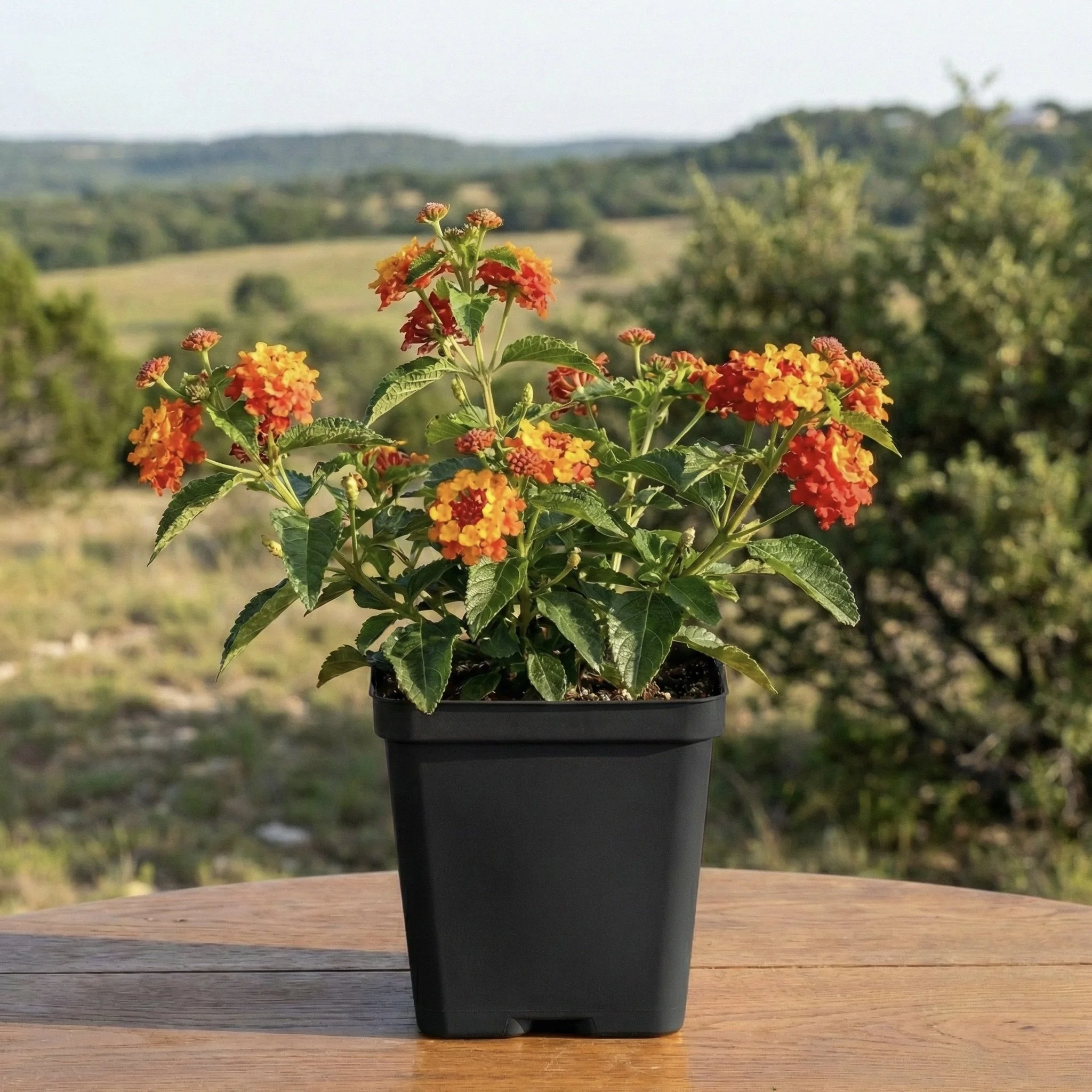
Our Texas Lantana (Lantana urticoides) is an Artisan Grown explosion of color and a critical line of defense for the Hill Country ecosystem.
Big-box stores and most nurseries sell the non-native invasive Lantana varieties which harm our local ecosystem. These exotic varieties are considered the world’s worst invasive plants. They produce highly poisonous berries, release chemicals from their roots and stems that alter the soil chemistry to suppress the growth of nearby plants, and aggressively spread to create impenetrable thickets which choke out ecologically critical native plants.
The non-native Lantanas also weaken the genetics of native Texas Lantana. The cross-pollination of the non-native Lantanas and the native Texas Lantana produces aggressive hybrids, combining the hardiness of Texas Lantana with the poisonous, invasive qualities of non-native Lantana. If it flowers aren’t orange and yellow or if it has berries that turn metallic blue before black, it’s not native.
The Native Plant Society of Texas strongly recommends replacing non-native Lantanas with native Texas Lantana. By removing these invasive varieties and replacing them with our wild-harvested, site-adapted native, you aren't just planting a flower—you are literally saving lives while restoring the biological integrity of the Texas landscape. and providing a high-octane nectar and pollen source that our local pollinators evolved to depend on.
The Process
Genetic Proximity
We begin with our surroundings. Every plant we grow starts as a hand-selected cutting taken from vigorous, wild-growing mature plants found on our ranch or within a strict 10-mile radius. This ensures our plants carry the specific site-adapted genetics required to handle the unique mineral profile and erratic weather of the Dripping Springs and Austin corridor. By propagating from local, wild-tempered mothers, we ensure your Lantana possesses the same resilient genetics needed to thrive in our native soil.
The Start
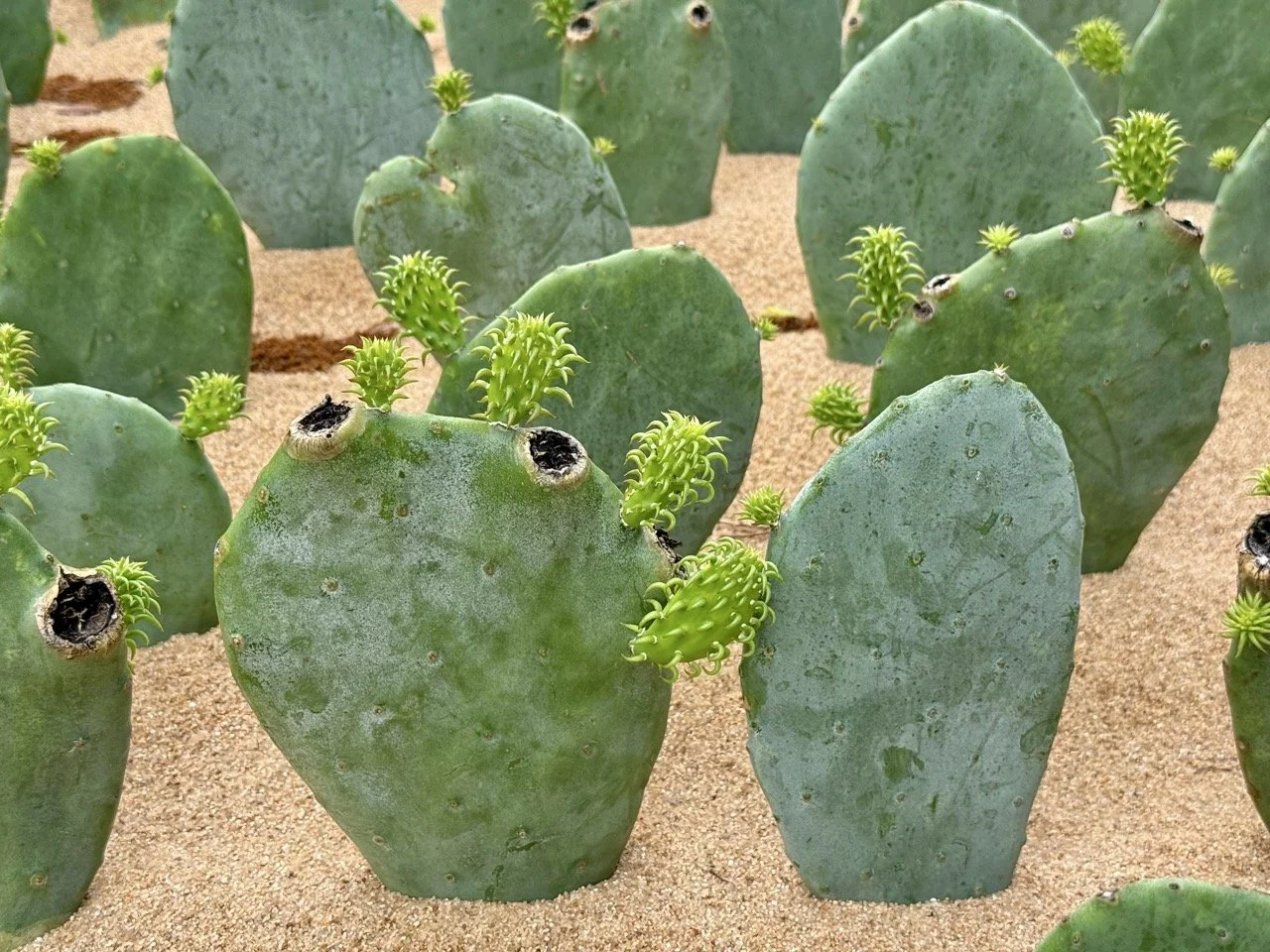
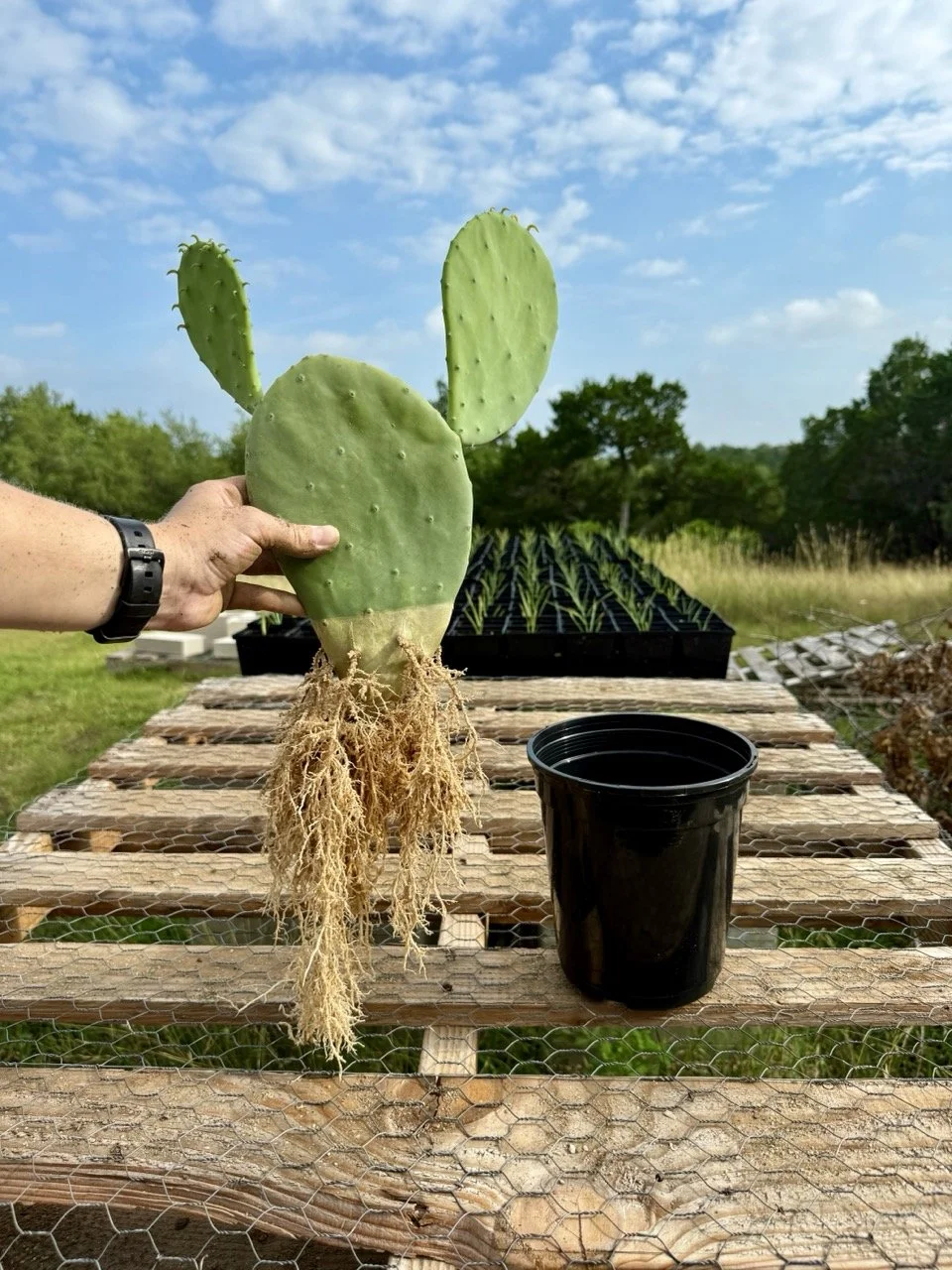
These wild-harvested cuttings are planted directly into our outdoor silica sand propagation beds. This forces the cutting to immediately prioritize a deep-diving, vertical root system to find stability and moisture in the sand while nature hardening. We don't use high-humidity misting tents; we let nature sort out which cuttings have the genetics and strength to earn their place. Only after they have established a robust, earth-seeking anchor are they carefully transitioned into our proprietary, mineral-dense organic soil.
The Hardening
As the strongest survivors transition into their final phase, they are potted into deep, air-pruning pots. This critical step uses the dry Texas air to naturally prune root tips, forcing the plant to develop a massive, hyper-fibrous root system without circling. Once potted, they “rest” under the dappled shade of our Texas Live Oak trees, acclimating to our hilltop winds and heavy spring rains. For the final two weeks, they field-harden in unapologetic full sun. This multi-phase approach ensures every plant leaving our ranch has been "performance-tested" and is biologically prepared for a resilient, irrigation-free Hill Country life once established.
Aesthetic & Versatility:
A sprawling, heat-loving perennial that provides relentless color and essential wildlife support.
Pollinator Powerhouse: The orange and yellow blooms are a primary nectar and pollen source local pollinators have evolved to depend on. This source becomes vital in late summer and fall when most other flowers have disappeared.
Bird Feeder: Migrating and local birds eat the berries and spread the processed seeds along their way.
Textural Toughness: Its rough, aromatic foliage is a natural deterrent, making it exceptionally deer-resistant and virtually pest-free in the landscape.
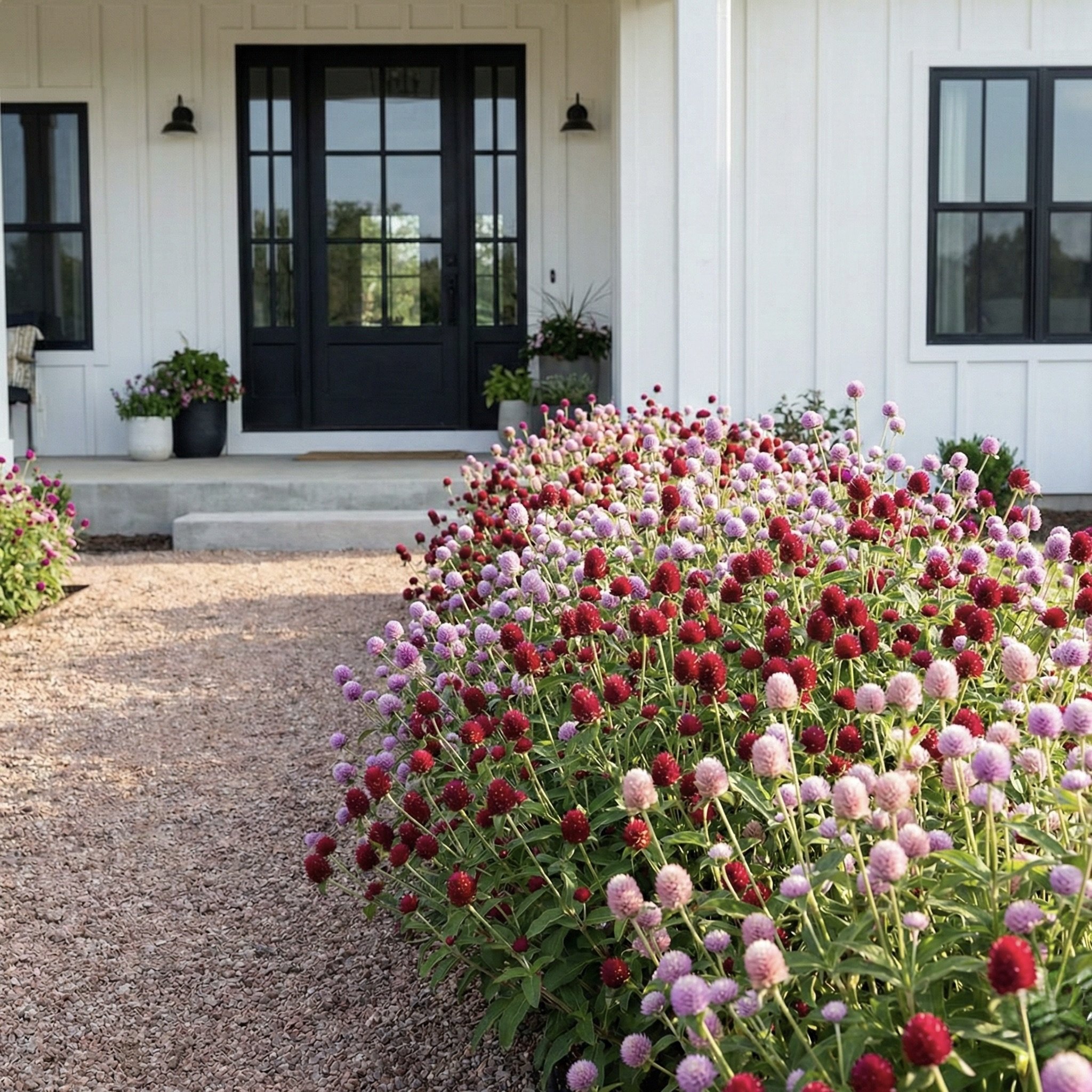
Living Groundcover: It is a low-spreader that can reach up to 6 feet tall and spread up to 5 feet wide, it is the perfect solution for filling large sunny spaces where nothing else seems to grow, including poor soil and even salty soils.
Your Plant:
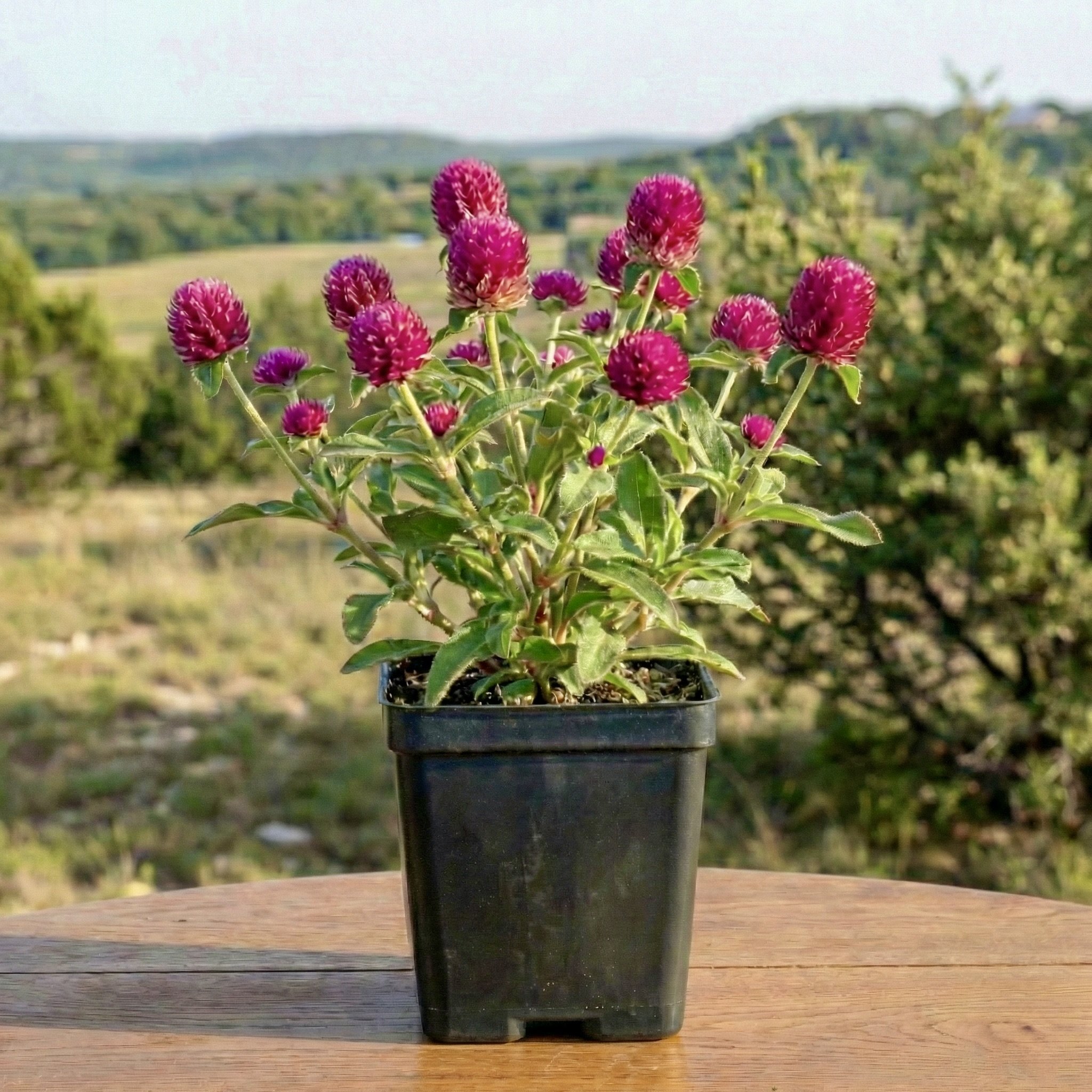
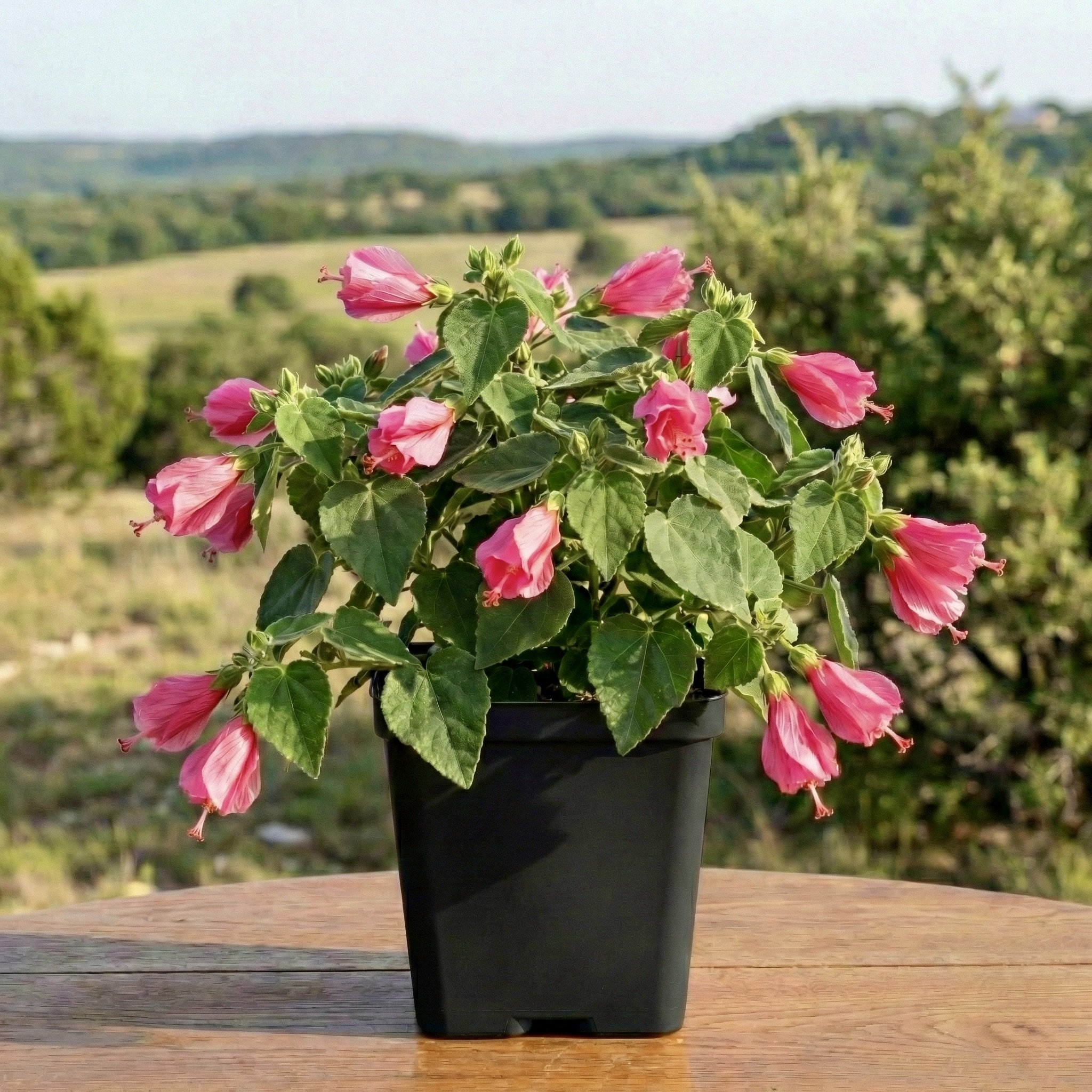
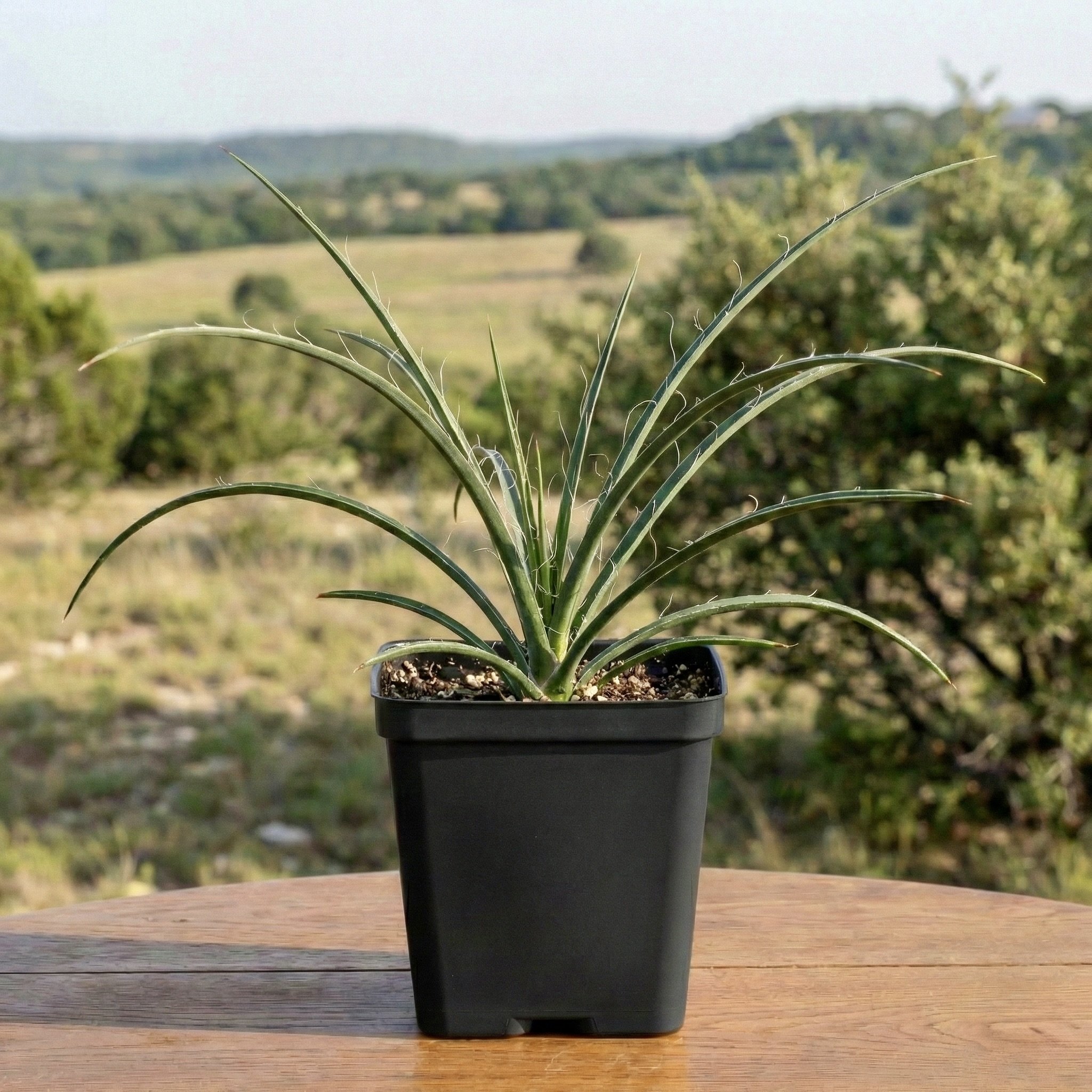
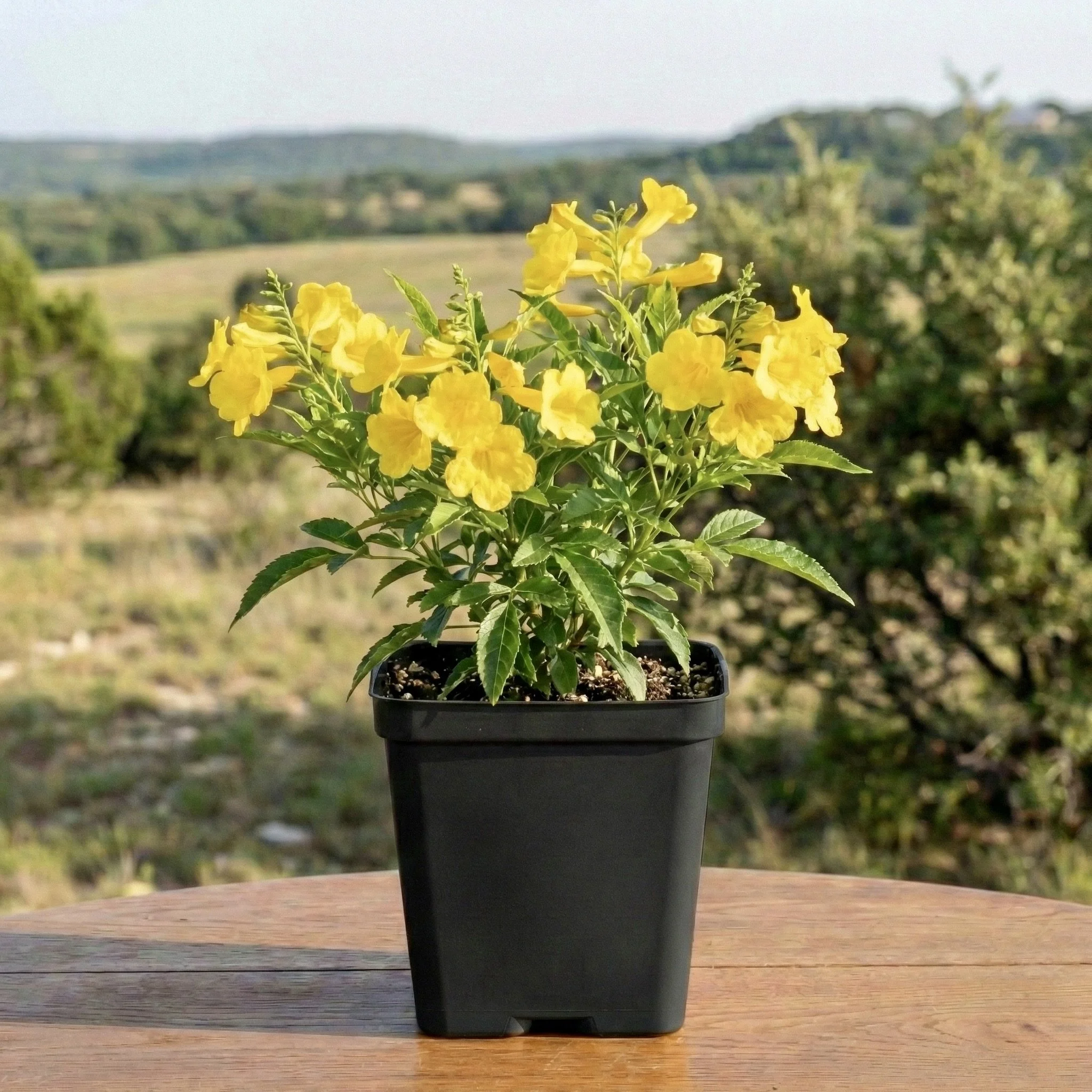
Field-grown, sun-hardened, and air-pruned. Delivered in a 4.5” Deep Square Pot with a vertical 5”, robust root system designed to anchor deep into our rocky Hill Country soil, ensuring this perennial returns with more vigor and bloom-count year after year.
Planting Tips:
Texas Lantana is a true sun-worshipper. Plant in the brightest, hottest spot in your garden with well-draining soil. To keep it tidy and encourage a fresh flush of blooms, you can cut the plant back by half in mid-summer. In late winter, cut the woody stems down to a few inches from the ground to make room for fresh, vigorous spring growth.
The Rancher’s Secret:
Plant Texas Lantana as a companion to our Mealy Blue Sage near your vegetable garden. The high-contrast pairing of the fire-toned Lantana against the cobalt blue of the Sage creates a stunning visual frequency that attracts a multitude of various pollinators who intern help to pollinate and increase the yield of your garden.
Root-Trained Perennial Shrub
Lineage: Wild-Harvested Texas Native | Soil: Organic Heritage Mineral Blend
The Kaleidoscope of the Hill Country
Our Texas Lantana (Lantana urticoides) is an Artisan Grown explosion of color and a critical line of defense for the Hill Country ecosystem.
Big-box stores and most nurseries sell the non-native invasive Lantana varieties which harm our local ecosystem. These exotic varieties are considered the world’s worst invasive plants. They produce highly poisonous berries, release chemicals from their roots and stems that alter the soil chemistry to suppress the growth of nearby plants, and aggressively spread to create impenetrable thickets which choke out ecologically critical native plants.
The non-native Lantanas also weaken the genetics of native Texas Lantana. The cross-pollination of the non-native Lantanas and the native Texas Lantana produces aggressive hybrids, combining the hardiness of Texas Lantana with the poisonous, invasive qualities of non-native Lantana. If it flowers aren’t orange and yellow or if it has berries that turn metallic blue before black, it’s not native.
The Native Plant Society of Texas strongly recommends replacing non-native Lantanas with native Texas Lantana. By removing these invasive varieties and replacing them with our wild-harvested, site-adapted native, you aren't just planting a flower—you are literally saving lives while restoring the biological integrity of the Texas landscape. and providing a high-octane nectar and pollen source that our local pollinators evolved to depend on.
The Process
Genetic Proximity
We begin with our surroundings. Every plant we grow starts as a hand-selected cutting taken from vigorous, wild-growing mature plants found on our ranch or within a strict 10-mile radius. This ensures our plants carry the specific site-adapted genetics required to handle the unique mineral profile and erratic weather of the Dripping Springs and Austin corridor. By propagating from local, wild-tempered mothers, we ensure your Lantana possesses the same resilient genetics needed to thrive in our native soil.
The Start
These wild-harvested cuttings are planted directly into our outdoor silica sand propagation beds. This forces the cutting to immediately prioritize a deep-diving, vertical root system to find stability and moisture in the sand while nature hardening. We don't use high-humidity misting tents; we let nature sort out which cuttings have the genetics and strength to earn their place. Only after they have established a robust, earth-seeking anchor are they carefully transitioned into our proprietary, mineral-dense organic soil.
The Hardening
As the strongest survivors transition into their final phase, they are potted into deep, air-pruning pots. This critical step uses the dry Texas air to naturally prune root tips, forcing the plant to develop a massive, hyper-fibrous root system without circling. Once potted, they “rest” under the dappled shade of our Texas Live Oak trees, acclimating to our hilltop winds and heavy spring rains. For the final two weeks, they field-harden in unapologetic full sun. This multi-phase approach ensures every plant leaving our ranch has been "performance-tested" and is biologically prepared for a resilient, irrigation-free Hill Country life once established.
Aesthetic & Versatility:
A sprawling, heat-loving perennial that provides relentless color and essential wildlife support.
Pollinator Powerhouse: The orange and yellow blooms are a primary nectar and pollen source local pollinators have evolved to depend on. This source becomes vital in late summer and fall when most other flowers have disappeared.
Bird Feeder: Migrating and local birds eat the berries and spread the processed seeds along their way.
Textural Toughness: Its rough, aromatic foliage is a natural deterrent, making it exceptionally deer-resistant and virtually pest-free in the landscape.
Living Groundcover: It is a low-spreader that can reach up to 6 feet tall and spread up to 5 feet wide, it is the perfect solution for filling large sunny spaces where nothing else seems to grow, including poor soil and even salty soils.
Your Plant:
Field-grown, sun-hardened, and air-pruned. Delivered in a 4.5” Deep Square Pot with a vertical 5”, robust root system designed to anchor deep into our rocky Hill Country soil, ensuring this perennial returns with more vigor and bloom-count year after year.
Planting Tips:
Texas Lantana is a true sun-worshipper. Plant in the brightest, hottest spot in your garden with well-draining soil. To keep it tidy and encourage a fresh flush of blooms, you can cut the plant back by half in mid-summer. In late winter, cut the woody stems down to a few inches from the ground to make room for fresh, vigorous spring growth.
The Rancher’s Secret:
Plant Texas Lantana as a companion to our Mealy Blue Sage near your vegetable garden. The high-contrast pairing of the fire-toned Lantana against the cobalt blue of the Sage creates a stunning visual frequency that attracts a multitude of various pollinators who intern help to pollinate and increase the yield of your garden.